Why Beginners Keep Getting Their Guard Passed
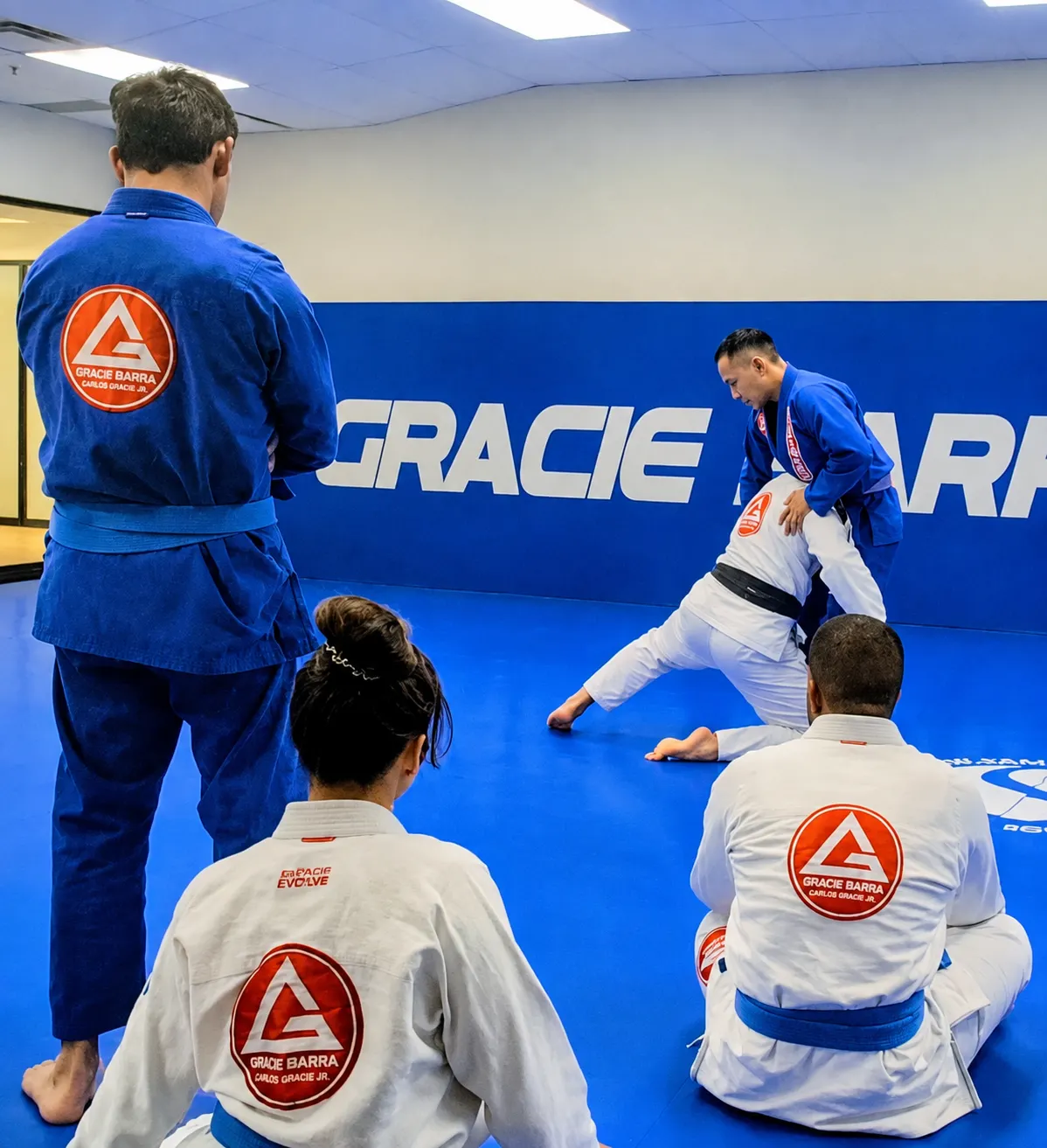
Most new students in Burnaby learn the same lesson early: a training partner steps around their legs and lands in side control within seconds. BJJ guard retention for beginners is about stopping that moment before it happens.
Guard retention is the set of movements and structures that keep your legs between you and your opponent. If you are still figuring out how to start BJJ training, this skill deserves attention from your very first classes.
DISCOVER Gracie Barra Burnaby
CLICK HERECore Principles of BJJ Guard Retention for Beginners
Before learning specific techniques, it helps to understand the ideas behind them. These four principles show up in almost every successful guard recovery, from early rolls to high-level matches.
Keep Your Hips Mobile
Your hips are the engine of your guard. When they stay light and ready to move, you can turn, angle away and bring your legs back into position before your partner settles a pass.
Stiff hips are common for adults returning to exercise, so mobility work matters. Anyone starting jiu-jitsu after 30 usually finds that consistent drilling and light warm-ups make these movements feel more natural over time.
Build Frames Instead of Pushing
A frame is a rigid structure made with your forearms, shins or hands that holds space without relying on muscle. Pushing with straight arms burns energy and gives your opponent something to grab or drive through.
Common frames include a forearm across the collarbone or hip and a hand on the biceps. Once the frame is set, move your body away from it rather than trying to shove your partner backward.
Keep Your Elbows and Knees Connected
Space between your elbows and knees is the doorway a passer looks for. When those gaps open, your opponent can slide a knee through or pin your legs to the mat.
Think of curling into a ball while staying on your side. Keeping your elbows tight to your ribs and your knees close to your chest makes your guard compact and harder to flatten or walk around.
Always Face Your Opponent
If your partner reaches your side while you are still looking at the ceiling, the pass is nearly complete. Turning your hips and shoulders toward them keeps your legs in play and your defence active.
Side control and mount sit among the most effective BJJ positions, which is exactly why preventing them matters. Facing your opponent is the simplest way to deny that control early.
Movements That Rebuild Your Guard
Knowing the principles is one thing, and applying them under pressure is another. Solid BJJ guard retention for beginners relies on a few core movements you can drill alone or with a partner.
The Hip Escape
The hip escape, often called shrimping, moves your hips away from your opponent while you stay on your side. It creates the space you need to slide a knee or foot back in front of them.
Drill it across the mat during warm-ups, pushing off one foot and keeping your frames up. Clean shrimping in practice gradually becomes a natural reaction during live rolling.
Pummelling Your Legs Back Inside
Leg pummelling means circling your knee or foot inside your opponent's arm or leg to regain a connection. It works best when your partner has started passing but has not yet pinned your hips.
Small, quick circles work better than big swings. Practise with a partner who stands and slowly walks around you while you keep placing a foot back on their hip or knee.
The Knee Shield as a Barrier
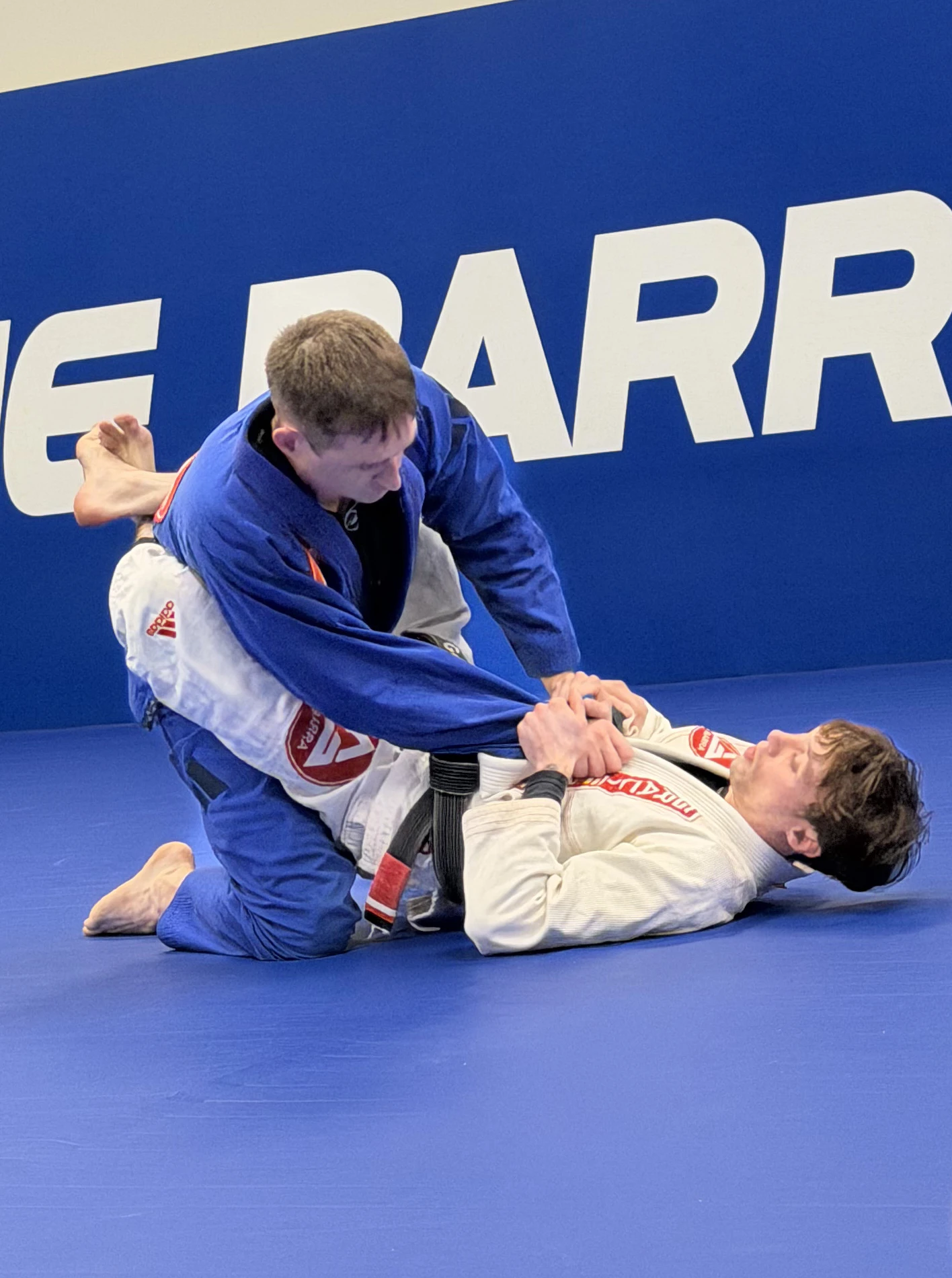
A knee shield places your shin diagonally across your opponent's torso, creating a wall between your bodies. It buys time when you feel a pass coming and cannot fully recover an open guard.
Pair the knee shield with a frame on the collar or shoulder so your partner cannot crush it. From there, you can rebuild a stronger guard or start working toward a sweep.
Common Mistakes and How to Fix Them
Most guard passes on newer students come from a few repeated habits. Spotting them in your own training is often the quickest way to see steady improvement.
Lying Flat on Your Back
Flat on your back, you cannot move your hips well and your legs lose their reach. This posture lets a passer pin your knees together and drive straight into side control.
Stay on one hip whenever possible, with a forearm or hand posted on the mat. That small angle keeps you ready to shrimp, turn in or bring a knee back between you.
Reaching With Straight Arms
Extended arms feel protective, yet they are easy to grab, pin or use as leverage against you. They can also put your elbows in risky positions for joint locks.
Keep your hands close and your elbows bent so your arms work as frames. Use them to measure distance and block movement, not to hold your partner at full length.
Holding Your Breath Under Pressure
When a heavy partner presses forward, many beginners tense up and stop breathing. That tension slows your movement and drains your energy long before the round ends.
Focus on long, steady exhales while you frame and move. A calm mind helps you read what your opponent is doing and choose the right escape instead of reacting with panic.
How to Practise Guard Retention Safely
Progress comes from repetition at a controlled pace, not from winning every round. Approach BJJ guard retention for beginners with cooperative drills first, then add resistance gradually as your timing and confidence grow.
At Gracie Barra Burnaby, ask your instructor for feedback on your frames and hip movement during class. Following structured beginner BJJ training helps you build these habits one piece at a time.
Putting It All Together on the Mats
Guard retention works as a chain: frame first, move your hips, then bring your legs back in front. Each piece supports the next, and skipping one usually leaves an opening for the pass.
As your guard becomes harder to pass, you may want to test it against tougher resistance. Students interested in BJJ competition training rely on these same fundamentals when the pace and pressure increase.
DISCOVER Gracie Barra Burnaby
CLICK HEREKeep Building Your Guard
A reliable guard is built over months of patient drilling, not overnight. Working on BJJ guard retention for beginners gives you a safer, calmer base for every other technique you learn.
If you live in Burnaby, Richmond, Vancouver or Coquitlam and want to develop these skills with a supportive group, visit Gracie Barra Burnaby and see what training on the mats feels like.